Cranial Sutures
A Sutural Approach to Osteopathy in the Cranial Field

Course History


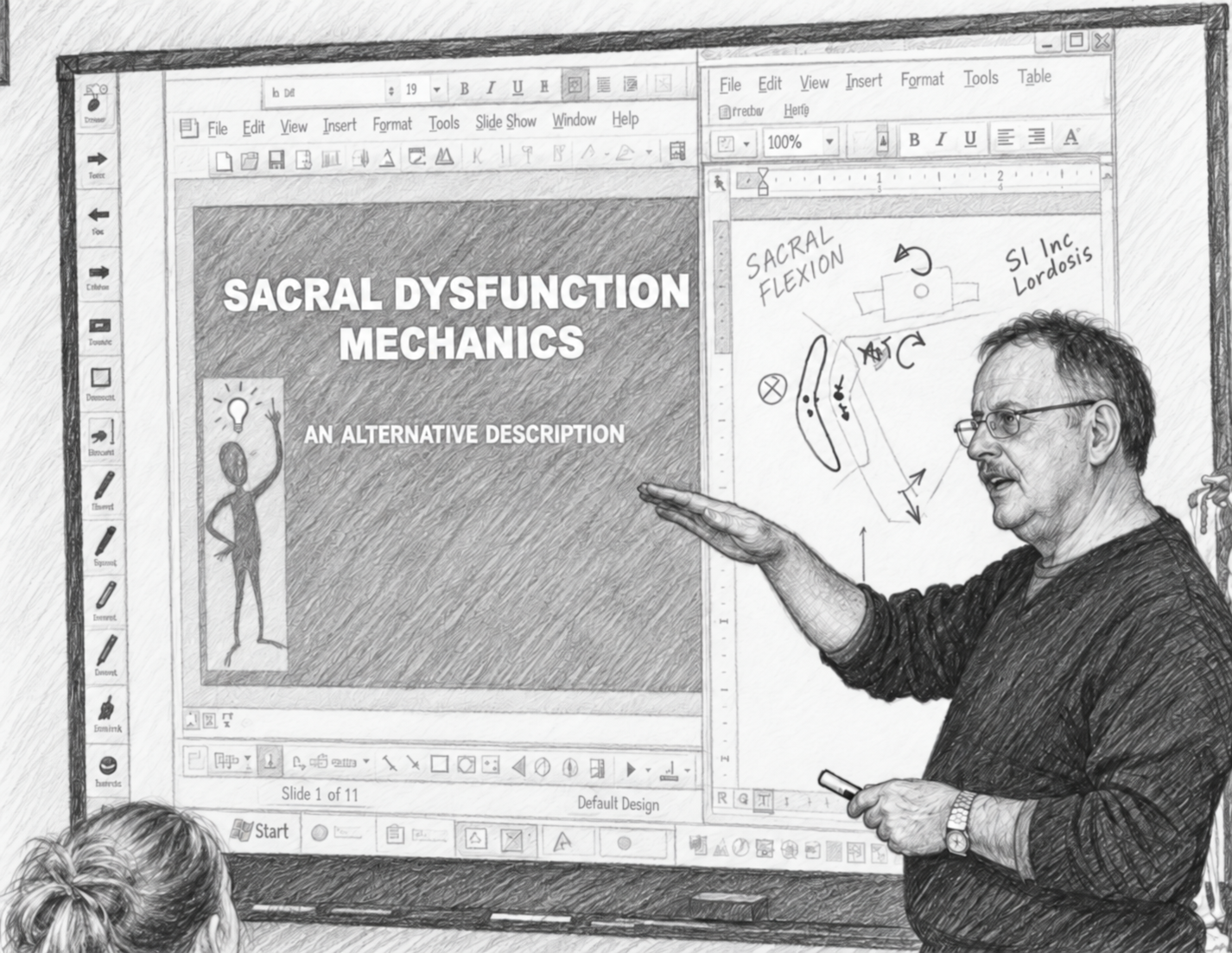
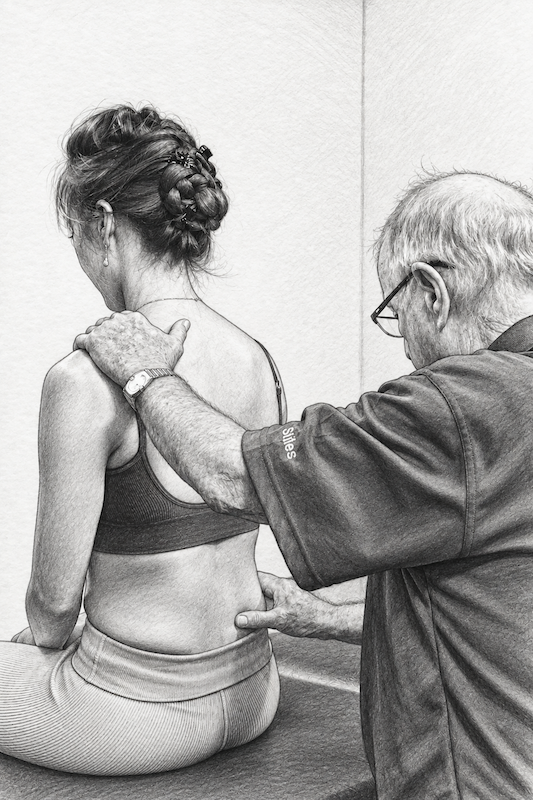
George Andrew Laughlin, DO, was one of A.T. Still’s grandchildren. He learned His grandfather’s indirect approaches from Dr. Sutherland for both skeletal and cranial dysfunctions. Laughlin mentored Stiles for 20 years. Laughlin was an excellent clinician, but his teaching skills were limited. Laughlin incorporated sutural approaches in his cranial management strategies.


Stiles was also influenced by Perrin T. Wilson, DO; Fred Mitchell, Sr., DO, FAAO; and Phil Greenman, DO, FAAO. Wilson also studied with Sutherland. Their language and concepts influenced Stiles’ application of Osteopathic principles and how they can be verbalized and taught in the 21st Century. This sutural approach is often an effective tool for introducing Osteopathic students to cranial strategies plus enabling an additional cranial approach to emerge for seasoned practitioners.

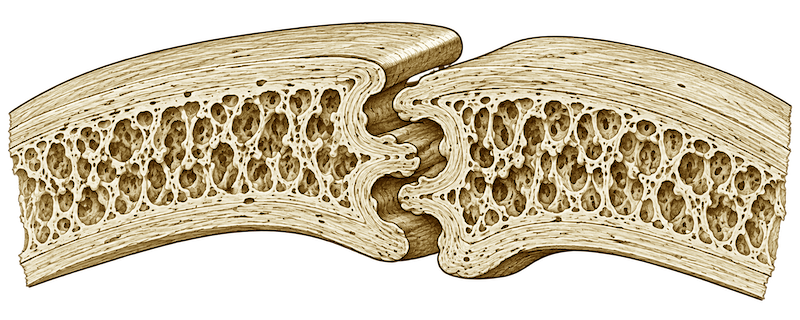
In this course, students will learn to evaluate cranial structures, looking for movement or lack of movement at the sutural level. The sutures between the bones of the calvaria (head) and face will be covered in both anatomical and palpatory detail. Gentle yet precise approaches for releasing the sutural restrictions will be taught and applied for returning sutural motion toward freedom and health.


Addressing the cranial sutures offers a unique approach to an often-overlooked cranial modality. The cranial bones and the related sutures are a vital part of the reciprocal tension membrane system; they are intimately attached to the dura of the cranium and their sutures, which move with the primary respiration. Other cranial models are beneficially and simultaneously impacted by the sutural approach.


Sequencing the sutural restrictions will also be taught. This allows the practitioner to assign a hierarchy to the restrictions found. By treating the most restricted sutures/dura first, both the practitioner's and the patient’s time are optimized. Sequencing the sutures and treating them in the patient’s own unique order can allow you to “do more with less” and achieve improved clinical outcomes.


An overview of Mitchell’s approach to the pelvis and sacrum will round out the curriculum. Fred Mitchell, Sr. DO, FAAO, founded the muscle energy technique and developed an approach to treating the sacrum and pelvis using the pelvic axis system. This system makes working with the pelvis and sacrum simple to teach and delivers incredibly effective, consistent results. When combined with the cranial sutural approach, it is a powerful way to address the core link.


Stiles shared this wealth of information with his students at Pikeville while he taught there. A few of those students: Charlie Beck, DO, FAAO, Josh Dalton, DO, Derek Jones, DO, Scott Nall, DO, and Thurman Alvey, DO, have helped Dr. Stiles teach over the years and continue to add to what they have learned to pass the information on to the next generation as teachers themselves.


Want to find out about upcoming courses? Contact one of us at the email address below, or check indianaacademyofosteopathy.com or osteopathiccourses.com for more info on all of the courses we teach.


Want to schedule a course at your facility or help set up a course in your town? We can teach anywhere in the world. Email us at the addresses below to set up dates and times.


Who should attend our courses? Anyone currently involved in teaching Osteopathic students, especially if they teach cranial principles and their application. Anyone wishing to investigate a new application of cranial principles. Anyone who desires to explore an easy, rapid, and practical approach to cranial diagnosis and treatment.

40-Hour Course Schedule

A Sutural Approach to Osteopathy in the Cranial Field


This schedule is approximate and is subject to change. Depending on class size and emphasis, we may add, remove, or rearrange some portions. This curriculum meets the requirements for the Osteopathic Cranial Academy’s 40-hour intro course, assuming that the correct number of OCA members are on the faculty.


Day 1


8:00 Introduction and Announcements

8:20 History and Concepts - Sutural OCF

8:40 Tensegrity

9:00 Curved Tensegrity

9:20 Sequencing

9:40 Visual Observation Lab

10:00 Small Group Discussion

10:20 How do you Palpate?

10:40 Sequencing Lab

11:00 Sequencing Lab 1

11:20 Principles of Primary Respiration

11:40 Reciprocal Tension Membrane

Lunch

1:30 Sutural Anatomy/Histology

1:50 Suture Palpation Lab

2:10 The Occiput

2:30 Occiput Bone Lab

2:50 Occiput Palpation Lab

3:10 Treatment Principles and Clinical Pearls

3:30 Small Group Discussion

3:50 The Sphenoid

4:10 Sphenoid Bone Lab

4:30 Sphenoid Palpation Lab

4:50 Introduction to Strain Patterns and Balanced Ligamentous Tension

5:10 The Temporals

5:30 Review of Day 1


Day 2


8:00 Review of Day 1

8:20 Cranial Nerve Overview

8:40 Temporal Bone Lab

9:00 Temporal Bone Palpation Lab

9:20 Strain Patterns 1

9:40 Strain Patterns 2

10:00 Cranial Nerves 2

10:20 Small Group Discussion

10:40 The Vault Hold

11:00 The Frontal Bone

11:20 Frontal Bone Lab

11:40 Frontal Palpation Lab

Lunch

1:30 The Maxilla

1:50 Maxilla Bone Lab

2:10 Maxilla Palpation Lab

2:30 The Palatines

2:50 Palatine and Palpation Lab

3:10 Small Group Discussion

3:30 The Zygoma

3:50 Zygoma Bone Lab

4:10 Zygoma Palpation Lab

4:30 The Vomer

4:50 Vomer Bone Lab

5:10 Vomer Palpation Lab

5:30 Review of Day 2


Day 3


8:00 Review of Day 2

8:20 Cranial Nerves 3

8:40 Ethmoid Bone

9:00 Ethmoid Bone Lab

9:20 Ethmoid Bone Palpation Lab

9:40 Cranial Nerves 4

10:00 Small Group Discussion

10:20 Sequencing of the Head

10:40 Sequencing Lab

11:00 Nasal Bones

11:20 Nasal Bones Lab

11:40 Nasal Bones Palpation Lab

Lunch

1:30 The Lacrimals

1:50 Lacrimal Bone Lab

2:10 Lacrimal Palpation Lab

2:30 Facial Growth and Development

2:50 Face Palpation Lab

3:10 Small Group Discussion

3:30 The Mandible

3:50 Mandible Bone Lab

4:10 Mandible Palpation Lab

4:30 Osteopathy and Dentistry

4:50 Teeth Assessment Lab

5:10 Palpation Lab

5:30 Review of Day 3


Day 4


8:00 Review of Day 3

8:20 The Parietals

8:40 Parietal Bone Lab

9:00 Parietal Palpation Lab

9:20 Sequencing of the Head

9:40 Sequencing Lab 1

10:00 Small Group Discussion

10:20 Sequencing Lab 2

10:40 Sequencing Lab 3

11:00 Vision Lecture

11:20 Vision Lab

11:40 Vision Treatment Options

Lunch

1:30 Traditional Holds

1:50 Traditional Holds Lab

2:10 Traditional Holds 2

2:30 Traditional Holds Lab 2

2:50 Bringing the head together

3:10 Small Group Discussion

3:30 Core Link

3:50 Mitchell's Approach to the Pelvis

4:10 The Sacrum

4:30 Sacral Bone Lab

4:50 Sacral Mechanics Palpation Lab

5:10 Sacral Palpation Lab

5:30 Review of Day 4


Day 5


8:00 Review of Day 4

8:20 Blended Palpation

8:40 Palpation Lab

9:00 Whole Body Sequencing

9:20 Sequencing Lab

9:40 Review of Tensegrity from the Mechanism

10:00 Small Group Discussion

10:20 Mechanism Lab

10:40 Gait

11:00 Gait Lab

11:20 Putting it all Together

11:40 Course Review for Test

Lunch

1:30 Group Photo

1:50 Pediatrics

2:10 Obstetrics

2:30 Geriatrics

2:50 New Frontiers

3:10 Small Group Discussion

3:30 Written and Practical Exams

4:50 Check Students
24-Hour Course Schedule

A Sutural Approach to Osteopathy in the Cranial Field


This schedule is approximate and is subject to change. Depending on class size and emphasis, we may add, remove, or rearrange some portions. This curriculum meets the requirements for the Osteopathic Cranial Academy’s cranial completion course, assuming that the correct number of OCA members are on the faculty.


Day 1


8:00 Introductions

8:10 Course outline

8: 20 History of the Sutural Approach 1

8:40 History of the Sutural Approach 2

9:00 Tensegrity

9:20 Exploring Tensegrity (Lab)

9:40 Curved Tensegrity

10:00 Exploring Curved Tensegrity (Lab)

10:20 Break

10:30 Cranial Treatment Approaches (fluid, fascia, etc)

10:50 Diagnosis of the Cranium (Lab)

11:10 Cranial Suture Morphology

11:30 Cranial Suture Anatomy

11:50 Cranial Suture Lab

12:30 Lunch

1:30 Sequencing Overview

1:50 Sequencing (Lab)

2:30 Sequencing the Head

2:50 Sequencing the Head (Lab)

3:30 Break

3:40 Sutural Treatment Principles

4:00 Sutural Treatment Lab


Day 2


8:00 Review of Day 1

8:40 (breaks and lunch included)

Treating Specific Sutures:

- cartilaginous base dysfunctions because of the potential impact on related cranial nerves

- temporal bone

- petrous portion of temporal / sphenoid

- petrous portion of temporal / occipital ( jugular foramen )

- sphenoid/squamous portion of temporal suture

- greater wing of sphenoid (GWS)

- GWS / zygoma

- GWS / frontal

- GWS / temporal

- frontal

- lesser wing of sphenoid / frontal

- frontal / ethmoid

- maxilla (excluding teeth)

- maxilla / ethmoid

- maxilla / zygoma

5:00 Adjourn


Day 3


8:00 Review of Day 1 and 2

8:20

Treating Specific Sutures/Structures:

Questions and discussion over the previous sutures

- teeth

- tooth contact problem ( TMJ/TMD role )

- palatine

- mandible

- sacral component technique variation

12:00 Lunch

1:00 Mitchell’s Approach to the Pelvis 1

1:40 Mitchell’s Approach to the Pelvis 2

2:20 Pelvis Lab

3:20 Break

3:30 Pelvis Lab

4:20 Review and Questions

5:00 Adjourn


Contact us for courses: Charlie Beck or Ed Stiles

Privacy Policy
We respect your privacy. We do not sell, rent, trade, or share your personal information for marketing purposes, and we do not use your information for advertising or profiling. If you contact us, we use only the information you voluntarily provide, as needed, to respond to you or complete your request. We do not maintain or use that information for unrelated purposes. Your privacy is important to us, and we collect no more information than is reasonably necessary to provide our services.

Copyright 2026, Charles Beck, DO, FAAO

Elements for macOS application icon. Made in Elements