Articulations
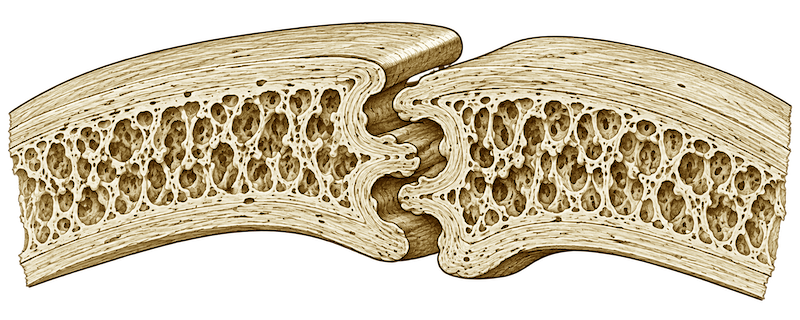
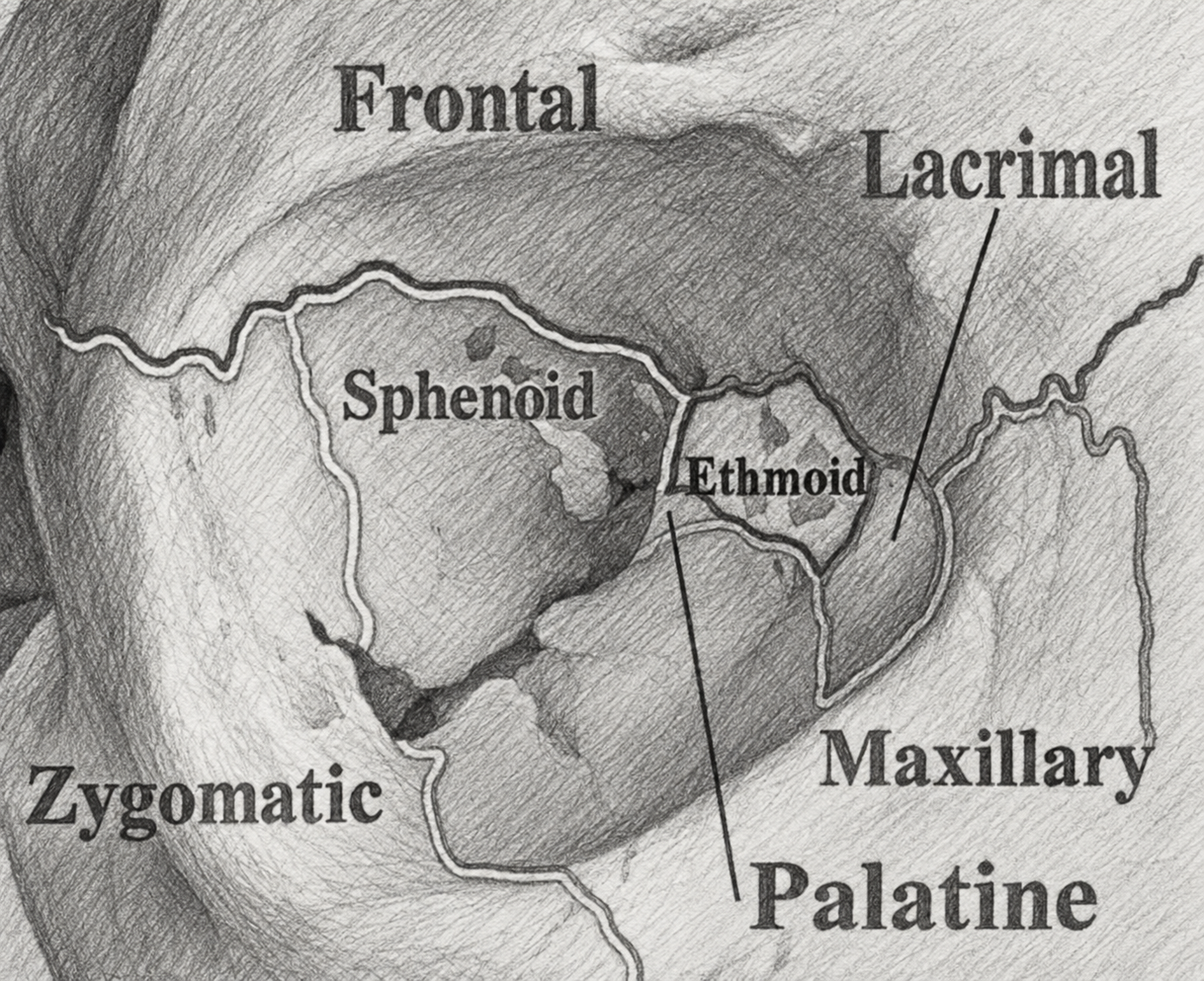
The human skull has over 100 bony articulations. Articulations are where bones meet. Technically, these are called sutures. Sutures are like zippers that join bones. They are designed to allow movement between the bones. Sutures contain ligaments and blood vessels and can cause many symptoms if they don't work normally. If the sutures are stuck (not moving normally), symptoms such as tension, headaches, nausea, vomiting, and low back pain can result directly. Freeing the sutures is relatively easy in the hands of someone skilled in both anatomy and the application of Osteopathy principles in the Cranial Field. Treating the sutures can alleviate many or all of a patient's symptoms if those symptoms relate to mechanical restriction in the head.
As listed on Wikipedia, the sutures are: (this is not an all-inclusive list):
- Coronal suture - between the frontal and parietal bones
- Lambdoid suture - between the parietal, temporal, and occipital bones
- Occipitomastoid suture
- Parietomastoid suture
- Sphenofrontal suture
- Sphenoparietal suture
- Sphenosquamosal suture
- Sphenozygomatic suture
- Squamosal suture - between the parietal and the temporal bone
- Zygomaticotemporal suture
- Zygomaticofrontal suture
- Frontal suture / Metopic suture - between the two frontal bones, prior to the fusion of the two into a single bone
- Sagittal suture - along the midline, between parietal bones
- Frontoethmoidal suture
- Petrosquamous suture
- Sphenoethmoidal suture
- Sphenopetrosal suture
Suture treatment is principle-based. That means that once you learn how to treat one suture, the same principles are applied to every suture in the head. It makes the learning of the treatment easy and allows you to spend more time learning what the anatomy feels like under your hands - both when it is restricted and free-moving.